An enzymatic cleaner for pet stains on concrete is not a one-minute spray-and-wipe fix. Concrete looks solid, but its pores can hold urine salts and odor below the surface. If you are renovating a basement, garage, porch, or kennel area, treat this as a small remediation project with a sequence, drying time, and a clear acceptance test. If it is not on the schedule, it is not happening.
The first planning question is whether the slab is bare, painted, sealed, or covered by flooring. A cleaner can reach unfinished concrete, but paint, epoxy, vinyl, and old sealers can block penetration. Record the condition before ordering supplies. A typical job needs one to two gallons of cleaner, stiff nylon brushes, absorbent towels, plastic sheeting, painter’s tape, gloves, eye protection, and a wet vacuum. Budget roughly $35 to $90 for materials, excluding rental equipment or professional treatment.
Inspect and schedule the concrete before cleaning
Start by mapping the affected area with painter’s tape. Look for yellow discoloration, dark damp edges, cracked joints, and odor that becomes stronger when the room warms up. A black-light inspection can help locate older splashes, but it is not a definitive test; some household materials also fluoresce. Use your nose and visual inspection together.
Remove loose debris and vacuum dry dust. Do not flood the floor immediately. First check whether water disappears into the slab within a few minutes. If it beads, the surface may have a coating that needs separate preparation. If the concrete absorbs water quickly, an enzymatic cleaner for pet stains on concrete has a better chance of reaching the contamination.
Build the work into the renovation schedule. Allow two to four hours for preparation and the first application, then at least 24 hours for drying. Cool Portland weather, a closed basement, or high humidity can push drying beyond 48 hours. Phoenix heat can shorten surface drying while leaving moisture deeper in the slab, so do not approve the area based only on a dry-looking top layer.
Protect adjacent work before applying liquid. Cover drywall, trim, stored tools, and flooring that should not be wetted. Keep the area ventilated, but avoid directing a powerful fan across a fresh puddle into an adjoining room. If the odor is severe, isolate the space and keep children and pets away until the cleaner has dried.
Choosing and applying an enzymatic cleaner
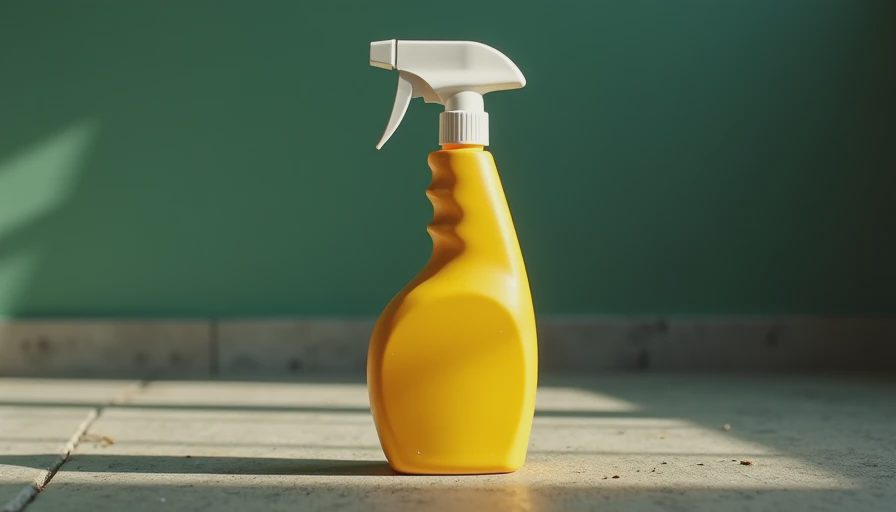
An enzymatic cleaner for pet stains on concrete uses biological enzymes to break down organic residue rather than merely covering the smell with fragrance. Read the label for concrete compatibility, dilution instructions, dwell time, and whether the product requires keeping the area wet. Do not mix it with bleach, ammonia, acids, or other cleaners. Mixing products can create hazardous fumes and can reduce the treatment’s effectiveness.
Apply enough product to wet the affected concrete without creating uncontrolled runoff. A pump sprayer works for broad areas; a squeeze bottle or brush is better around cracks and wall edges. Work in manageable sections of about 10 to 20 square feet. Mark each section with tape and note the application time so you do not lose track of dwell time during a larger cleanup.
Use a nylon brush to agitate the surface. Focus on slab joints, rough aggregate, and the lower edge of walls, where liquid often collects. Follow the label’s contact time exactly. Some products need 10 to 15 minutes; others need several hours or a covered, damp treatment. Plastic sheeting can slow evaporation, but only use it when the product directions permit it.
After the dwell period, extract excess liquid with a wet vacuum or absorbent towels. Do not use the same mop water across clean and contaminated sections. Rinse only if the label directs you to rinse. A heavy rinse too soon can carry residue into an untreated joint and increase drying time.
Repeat treatment and control the drying window
One application is often not enough for an old stain. Once the surface is dry, inspect and smell the area at floor level. If odor remains, repeat the treatment instead of immediately applying paint or sealer. An enzymatic cleaner for pet stains on concrete works best when the residue is accessible and the product has enough time to contact it.
Set up drying as a controlled phase. Use moderate airflow, a dehumidifier in a basement, and a hygrometer if available. Keep doors and windows coordinated with outdoor conditions. Opening a basement window during a humid summer afternoon can add moisture rather than remove it. In a heated garage during winter, maintain safe ventilation and protect equipment from condensation.
Do not install flooring, adhesive, epoxy, or vapor-sensitive materials while the slab is still damp. Flooring manufacturers set their own moisture limits, and a surface that feels dry may still fail a moisture test. If the next trade is scheduled for Friday, complete the last wet treatment no later than Tuesday, leaving Wednesday for drying and Thursday for testing or a contingency visit.
Acceptance testing before paint or flooring
Use a simple handoff checklist before calling the concrete ready. The area should have no active wet spots, no sticky cleaner residue, and no strong urine odor when the room is warm and closed for several hours. Tape a square of clear plastic to the slab for 24 hours. Condensation or darkening beneath the plastic indicates moisture that requires investigation before covering the floor.
For a larger renovation, arrange a professional concrete moisture test before epoxy, tile, or resilient flooring. Ask the flooring installer which test and threshold the product requires. This avoids a common failure: cleaning successfully, then trapping moisture under a new finish that blisters, peels, or develops odor.
If the stain has penetrated deeply, the concrete is cracked, or the smell returns after two properly timed treatments, pause cosmetic work. A restoration contractor may use subsurface extraction, controlled removal, or a compatible odor-blocking sealer. Sealing too early is not a solution if contamination remains active below the coating.
Post-mortem: where homeowners lose the schedule
The most common mistake is treating only the visible yellow mark. Pets usually follow edges, corners, and familiar routes, so the actual affected zone can be wider than the stain. The second mistake is using a household disinfectant and assuming the odor is gone because the fragrance is stronger. The third is scheduling flooring installation the morning after cleaning.
A workable sequence is: inspect on Monday, protect and clean on Tuesday, repeat on Wednesday if needed, dry through Thursday, test Friday morning, and release the area to the flooring trade Friday afternoon. For a small porch in dry weather, that sequence may compress. For a basement in a wet climate, add two days. Document product name, dilution, application time, temperature, humidity, and result. That record helps if a contractor later needs to diagnose a coating failure.
An enzymatic cleaner for pet stains on concrete is a useful part of the plan, not a substitute for inspection and moisture control. Treat the slab like a scheduled work package, protect the trades that follow, and make odor and dryness part of acceptance. Which room, surface coating, and deadline are you working around, and where has your current schedule allowed time for the slab to dry?