If you are trying to figure out how to clean vinyl siding, the main goal is simple: remove grime without forcing water behind the panels or stripping the finish. A good wash can cut down on mildew, pollen, spider webs, and that gray film that shows up after a wet season. On most homes, this is a one-day job if you have the right setup and do not rush the prep.
The biggest scheduling mistake is waiting until the siding looks bad from the street. By then, you are usually dealing with baked-on dirt, shaded areas with algae, and trim lines that need extra attention. Plan for a cool morning, light cloud cover if possible, and enough time to rinse thoroughly before the sun dries soap onto the wall.
What to gather before you start
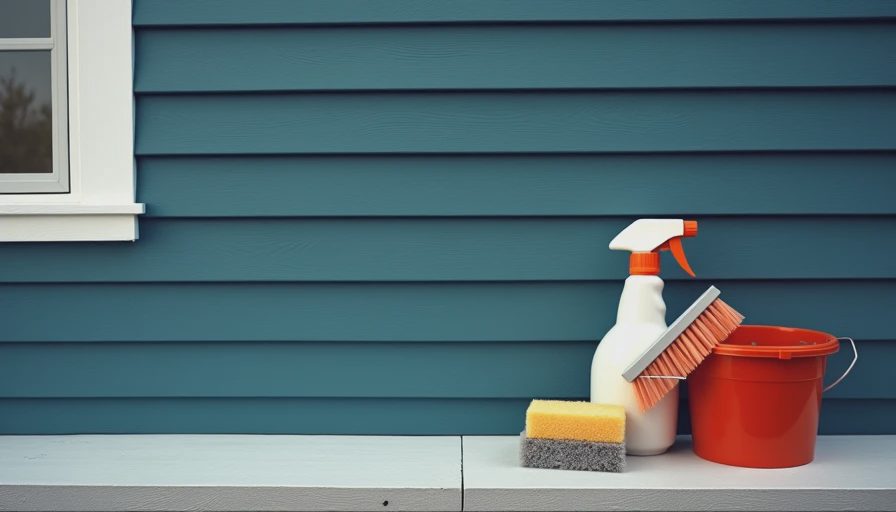
The best cleanup starts before the hose turns on. You want a garden hose with a spray nozzle, a soft-bristle brush or long-handled wash brush, a bucket, and a gentle cleaner. A basic siding wash setup usually costs about $40 to $120 if you are buying tools from scratch. If you already own the hose and bucket, the cleaner alone may run $10 to $25.
For the soap, a mild dish soap mix works for light dirt, while algae and mildew often respond better to a siding cleaner labeled for exterior use. Oxygen-bleach formulas are common for organic buildup, and some products use diluted sodium hypochlorite. Follow the label, keep the mix light, and never combine cleaners. If you have shrubs tight against the house, pre-wet them with plain water so overspray does less damage.
Before you wash the full wall, test a small patch behind a bush or near the back corner. That is the fastest way to catch oxidation, chalking, or color fade before you spend two hours on the front elevation. If a test patch looks dull or streaky, stop and switch to a gentler product.
How to clean vinyl siding without streaks
Start by rinsing off loose grit from the top down. You are not trying to blast the wall clean yet. You are just knocking off dust, cobwebs, and grit that would scratch the surface when you scrub. Then work in small sections, one wall bay at a time, so the cleaner does not dry before you rinse it away.
A good rule is to scrub from the bottom of each section upward and then rinse from the top down. That keeps dirty runoff from leaving lines on dry vinyl below. Keep your brush moving in straight strokes, not circles, because circles tend to push grime into the seams. Pay extra attention to lap joints, the bottoms of window trim, and the narrow strip under the soffit where pollen collects.
If you are using a pressure washer, stay conservative. Vinyl does not need a lot of force, and too much pressure can drive water behind the panels or leave a striped finish. A fan tip, low pressure, and a wide spray angle are safer than a narrow jet. Keep the wand moving and never aim upward under the siding laps. If you can reach the same result with a hose and brush, that is usually the better call.
The same basic rules apply if you are comparing how to clean vinyl siding on a ranch house versus a two-story colonial. The height changes the setup, but the cleaning sequence stays the same: prep the site, wet the surface, work in sections, and rinse completely. For taller homes, a telescoping brush can save you from dragging out a ladder for every upper panel.
Problem spots that need extra time
Green streaks on the north side usually mean algae, especially in humid climates. In a place with long rainy seasons, those streaks can come back in six to twelve months if the wall stays shaded. In drier areas, dust and pollen are the bigger issue, and a once-a-year wash is often enough. Black spots around vents or under the eaves are often soot or stuck organic debris, not damage, so do not assume the siding is failing just because one area looks worse than the rest.
Oxidation is the one problem that changes the job. If the vinyl has a chalky film that rubs off on your hand, scrubbing harder will not fix it. You need a product designed for oxidized siding, and even then, the result may be uneven if the finish is already old. In that case, keep expectations realistic. You are cleaning the surface, not restoring factory color. That is where many homeowners waste half a weekend and still feel behind.
When to stop and bring in a pro
There is a point where a do-it-yourself wash stops being efficient. If the house is three stories, sits on a steep lot, has brittle siding, or has heavy buildup on the upper walls, a professional soft-wash crew is often the better move. For a typical single-family home, that service often lands around $250 to $600, with larger homes or heavy staining climbing higher. That is not cheap, but it is usually less expensive than replacing damaged panels or spending two full days fighting a ladder.
A pro is also worth calling when you see detached trim, cracked caulk, or water intrusion near windows. Cleaning should not become a repair job because a fast rinse exposed a bigger issue. If you already have painter’s tape out, panels sagging, or a suspicious soft spot near the sill, pause the wash and deal with the defect first.

Put it on a seasonal schedule
The easiest way to handle how to clean vinyl siding is to stop treating it like an emergency. Put it on the calendar the same way you would a gutter check or HVAC filter change. Spring is a good time to clear off pollen and winter grime. Fall works well if your house collects tree debris or if summer humidity leaves a film on the shaded side.
A simple maintenance rhythm keeps the job small. Light buildup gets a quick hose-and-brush wash. Medium buildup gets cleaner and a longer rinse. Heavy algae, oxidation, or hard-to-reach upper walls get a quote from a soft-wash company. If you keep the task on a schedule, you avoid the expensive version of the problem.
If how to clean vinyl siding still feels like a half-day project you would rather not own, what is the biggest blocker on your house right now: height, stains, or not knowing which cleaner to trust?