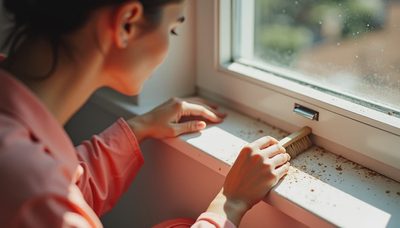
If you are staring at foggy windows, a sticky basement, or closets that smell like damp cardboard, how to decrease humidity in house is not a theory question. It is a process question. Find the source first, then match the fix to the room instead of buying the biggest fan on the shelf and hoping for the best. A $15 hygrometer can tell you more than a week of guessing, and a $200 dehumidifier can save you from a bigger repair later. For most homes, the target is roughly 30% to 50% relative humidity, with the lower end making more sense in colder weather when condensation starts showing up.
Start by figuring out where the moisture is coming from
A house gets damp for a few predictable reasons: showers, cooking, laundry, leaking plumbing, wet soil around the foundation, and air leaks that pull in humid outdoor air. The first job is to separate everyday moisture from a real moisture problem. If a bathroom mirror clears in ten minutes, that is normal. If it stays fogged for an hour, the fan is undersized, clogged, or vented into the wrong place.
Walk the house room by room and look for clues. A musty smell near the basement stairs points somewhere different than condensation on bedroom windows. Check under sinks, behind toilets, around the water heater, and at the base of exterior walls. In older homes, a crawlspace with exposed dirt can feed moisture straight into the structure. In newer homes, an attic bath fan that dumps into the attic can quietly create a mess that shows up months later as stained sheathing or peeling paint.
Use ventilation where the moisture is being created
Ventilation is the cheapest fix when the problem is tied to daily use. Bathroom fans should run during the shower and for at least 20 minutes afterward. Kitchen range hoods should vent outside if possible, especially if the household cooks on gas or boils pasta several nights a week. Dryers need a clean, short vent path that actually exits outdoors, not a flexible hose jammed behind the machine and crushed against the wall.
If a fan sounds weak or rattly, it often is. Common retrofit bath fans from Broan, Panasonic, and Delta Breez can move the room in the right direction without a full remodel. A basic replacement might cost $120 to $300 for the fan itself, with installed pricing often landing higher depending on wiring and attic access. For a lot of homeowners, that is cheaper than repainting a ceiling twice because the old fan never moved enough air.
How to decrease humidity in house without paying for a remodel
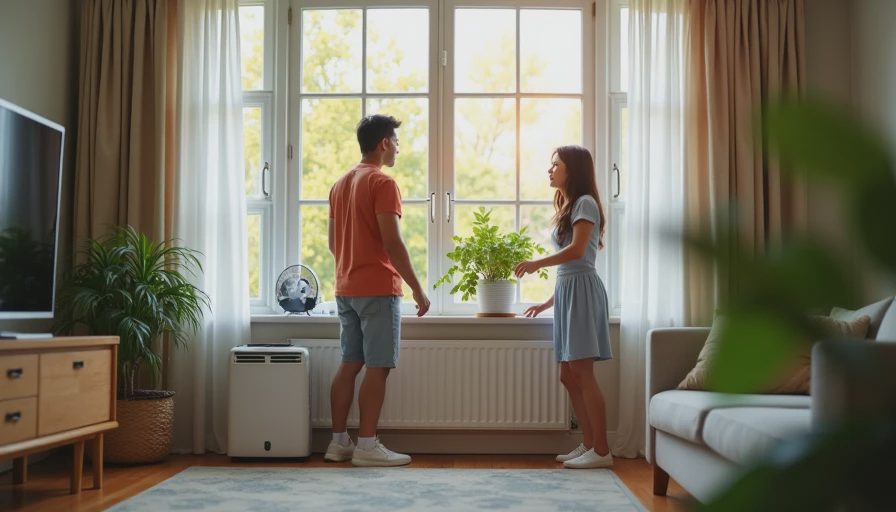
Once the source is under control, equipment does the rest. A portable 35-pint dehumidifier is usually enough for a small bedroom, laundry room, or a tight apartment-style basement. For a larger finished basement, a 50-pint unit is the safer bet. Good units from Frigidaire, Honeywell, and Midea often run about $180 to $350, depending on capacity and features. If you want fewer bucket dumps, look for continuous drain options so the unit can drip into a floor drain, condensate pump, or sump basin.
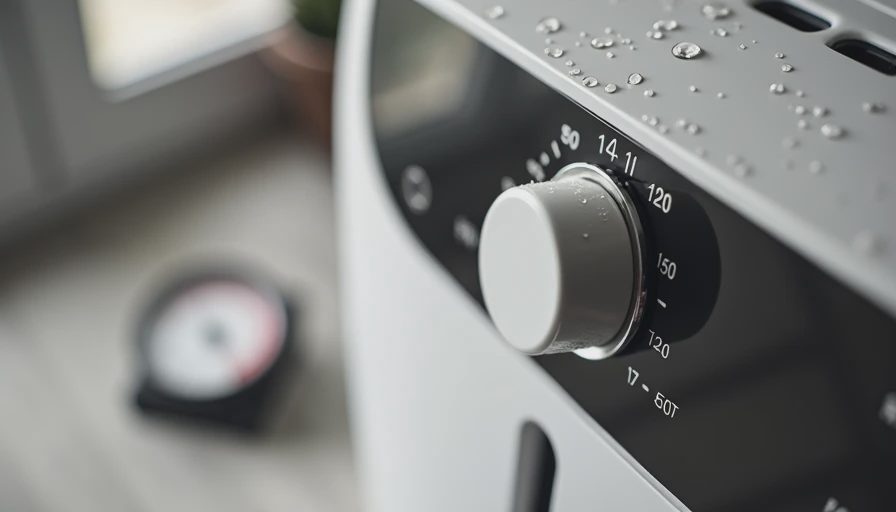
Whole-house dehumidifiers are the next step when one portable machine cannot keep up. Installed pricing often lands around $1,500 to $3,000 or more, depending on the ductwork and access. That is a real spend, but it can be cheaper than replacing warped trim, swollen cabinets, or moldy insulation later. In a damp basement, the right answer is not always colder air. Sometimes the better move is a dehumidifier set to about 45% and a fan schedule that keeps air moving without overcooling the room.
The mistakes that make a damp house stay damp
The most common mistake is fixing the symptom and ignoring the source. Another is using a humidifier in winter because the air feels dry, then forgetting to turn it back down when the house warms up. People also close interior doors to save energy, which can trap moist air in bathrooms, laundry rooms, and guest rooms where it lingers all day. If the HVAC filter is filthy or the return grille is blocked by furniture, airflow drops and humidity control gets worse.
Outside the house, gutters matter more than most people want to admit. So do downspouts that dump water right beside the foundation, soil that slopes toward the house, and cracked dryer vents or plumbing leaks that never got fixed because the drip looked small. A $20 hygrometer is only useful if it sits in the room you actually use. Put one in the basement, one upstairs, and one near the kitchen. The readings often tell a clearer story than the smell does.
When the problem points to HVAC, drainage, or crawlspace work
If the house stays above 60% humidity even after you run fans, fix leaks, and use a dehumidifier, the job has probably moved beyond a simple appliance fix. That is when HVAC service, drainage work, or crawlspace encapsulation starts making sense. A technician can check whether the AC is short-cycling, whether ducts are leaking, and whether the condensate line is draining properly. A waterproofing contractor can look at grading, sump pump performance, and foundation seepage without guessing.
Crawlspace encapsulation is not cheap, but it can be a smart long-term move in humid regions. Installing a vapor barrier, sealing vents where appropriate, and controlling the air in that space can keep moisture from feeding the rest of the structure. In a Gulf Coast or Mid-Atlantic climate, that kind of work tends to matter more than it does in a dry place like Phoenix. Portland-style moisture and Phoenix dry heat are not the same problem, so the fix should not be the same either.
How to decrease humidity in house on a one-week reset plan
A simple seven-day reset is usually enough to tell you whether the house needs a small tune-up or a bigger project. On day one, read every hygrometer and write the numbers down. On day two, clean bath fan covers, open the dampest rooms, and run the fans longer. On day three, check the dryer vent and look for blocked gutters or downspouts. On day four, set the dehumidifier to 45% and let it run continuously for a full day. On day five, inspect the basement or crawlspace for standing water, seepage, or a musty smell. On day six, look at window condensation and attic staining. On day seven, compare the readings and decide whether the house is responding.
If you want the practical answer to how to decrease humidity in house, start with the cheapest source control, then spend money only where the numbers stay high. If it's not on the schedule, it's not happening.