A humidifier for bloody noses can be a simple fix when dry indoor air is the real trigger. In winter, a furnace or space heater strips moisture out of a bedroom fast, and the lining inside the nose can crack before a person notices much more than a little dryness. That does not mean every nosebleed needs a gadget, but if the problem shows up after the heat kicks on, this is one of the cheapest things to test before you start buying prescriptions or replacing bedding.
What a humidifier for bloody noses can and cannot do
Dry air is rough on delicate tissue. The inside of the nose is supposed to stay moist, and when it dries out, tiny cracks can bleed after a hard nose blow, allergy flare, or even sleep. That is why this setup makes sense in bedrooms, home offices, and nurseries where forced air runs for hours. It is not a cure for every nosebleed. If bleeding is caused by an injury, a deviated septum, blood thinners, high blood pressure, or a sinus problem, added moisture will only go so far. Still, for a lot of people, a better indoor humidity level lowers the irritation that keeps restarting the cycle.
The target many clinicians use is about 30% to 50% relative humidity. Below that, skin and nasal tissue dry out faster. Above that, you start creating a different problem: condensation on windows, musty smells, and a better environment for mold. A $10 to $20 hygrometer takes the guesswork out of it, which matters more than spending extra on a fancier tank. If you are running a forced-air system in a cold climate like Chicago or Denver, you may need more moisture than someone in a milder area who only heats at night.
How to choose a humidifier for bloody noses without creating mold
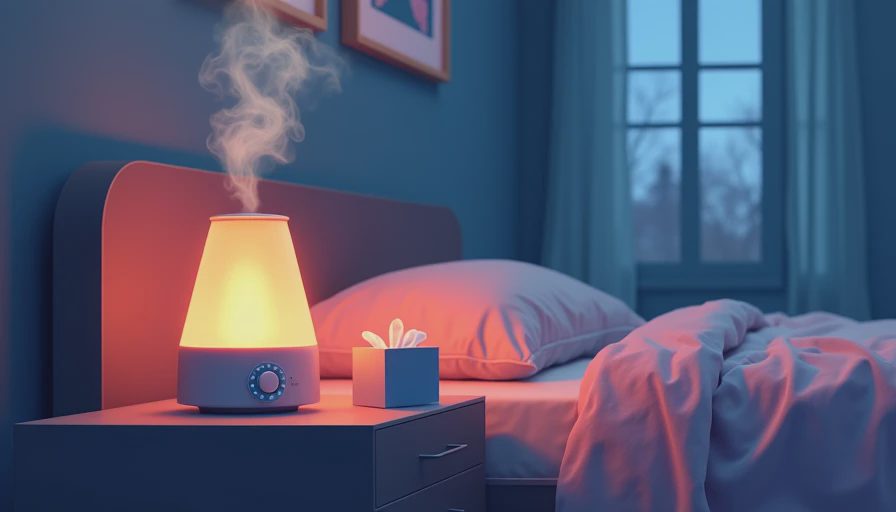
For a bedroom, a cool-mist unit is usually the safest default. Ultrasonic models are quiet and energy efficient, while evaporative models move air through a filter and can be a little more forgiving if your tap water is hard. Warm-mist units can feel nice, but they use more power and can be a burn risk around kids or pets. For most homes, a basic Levoit, Honeywell, or Vicks unit in the $35 to $120 range is enough if the room is sized correctly. Bigger is not always better. If the machine is oversized, you will spend the night wiping windows instead of fixing the dry air.
Think in room size, not in marketing claims. A small bedroom often does fine with a compact one-gallon tank. A larger primary suite may need a unit that runs longer or a second machine placed farther from the vent. If the room has a ceiling fan, a closed door, and a register blowing hot air, the placement matters as much as the brand. Put the humidifier on a hard surface, not directly against a wall, and keep it far enough from the bed that you do not wake up with damp sheets.
How to set it up so the room stays comfortable
Once the machine is in place, treat it like a small maintenance job. Fill it with clean water, preferably distilled if your area has hard water and you want to cut down on white dust. Run it at night first, then check the humidity the next morning. If the room feels sticky or you see condensation on glass, turn it down. If the air still feels sharp and the nose stays dry, the unit may be too small or the placement may be poor.
In a place with very dry winter air, a portable unit can be the difference between waking up with a raw nose and waking up normal. In a damp climate, the move may be to run it only for a few hours and watch the windows, not the nosebleeds. If you rent, that also matters because a portable model is easier to move from room to room than a whole-house setup.
Cleaning matters more than most buyers expect. Empty the tank daily, rinse it, and do a deeper clean about once a week using the method in the manual. Many owners use a vinegar soak for mineral buildup, then a rinse before refilling. Filters, if the model uses one, should be replaced on schedule. A neglected humidifier can turn into a source of odors and microbes, which defeats the purpose. If you live somewhere with very dry winter air, running the humidifier only at night can still make a real difference without overdoing moisture all day.

When dryness is not the real problem
If nosebleeds are frequent, one-sided, heavy, or tied to a recent hit to the face, do not treat it like a weather issue. The same goes for bleeding that lasts more than 20 minutes, keeps coming back in a week, or happens along with dizziness or weakness. Those are signs to get medical advice. Medication matters too. Aspirin, ibuprofen, warfarin, apixaban, and clopidogrel can all make bleeding easier, so it helps to mention them if you call a clinic.
Saline spray or saline gel can be a smart backup because it adds moisture directly to the nasal lining. A bedroom that is slightly cooler, a less aggressive heater setting, and a water bottle on the nightstand will not solve every case, but they reduce the dry-air load before it becomes a nosebleed. If allergies are part of the picture, controlling dust and pet dander may help more than buying a larger machine.
A humidifier for bloody noses is worth trying when the pattern is obvious: dry heat, winter air, a scratchy nose in the morning, and bleeding that starts after the lining gets irritated. Set the room up like a project, measure the humidity, keep it in range, and stay on top of cleaning. If the machine changes the pattern in a few nights, you have a low-cost fix. If it does not, the next step is medical evaluation, not a bigger tank. What humidity level are you seeing at night, and what room size are you trying to cover?