
A shower drain hair catcher belongs on the same list as backer board, valve trim, and grout sealer if you are managing a bathroom project yourself. It is a small part, but it can save you from the kind of post-closeout nuisance call that shows up two weeks after punch list sign-off. Hair, conditioner, and soap scum do not care that the tile is beautiful. They build up fast, and a cheap insert that fits poorly is almost as annoying as no insert at all. If you are choosing one during a remodel, think about the drain shape, the finish floor height, and how often someone will actually clean it.
Why a shower drain hair catcher belongs on the punch list
If you are renovating a shower, this part should be bought before final trim, not after a clog appears. A drain issue in a finished bathroom is expensive in a way that feels ridiculous: a plumber service call can run $125 to $300 before parts, and an emergency visit can be more. The goal is not to turn the shower into a maintenance project; it is to keep the plumbing accessible and the grate easy to lift. In practice, a shower drain hair catcher is a cheap insurance layer against slow drains, backed-up water around the feet, and the unhappy 8 p.m. realization that someone is showering in standing water.
Choose the right shower drain hair catcher before tile and trim
The right shower drain hair catcher starts with the drain itself. A center drain in a fiberglass pan does not need the same profile as a linear drain in a tiled shower. Measure the opening, note whether the grate sits flush, and check whether the drain cover lifts off or screws down. Silicone dome styles are common because they are cheap, often $8 to $15, and they grab longer hair well. Stainless basket versions usually cost $15 to $35 and look more finished. Screw-in or brass options can land around $25 to $60 and feel better in a more permanent bathroom. If you are still at rough-in, buy early enough to test fit before grout day. The worst time to discover a mismatch is after the tile setter has packed up.

Installation timing: rough-in to final walkthrough
A shower drain hair catcher is easier to choose when you understand the handoff between trades. Plumber sets the drain body, tile installer sets the finished height, and the final trim is where fit problems show up. If the catcher sits too high, water pools around it. If it sits too low, hair slides past the edge. The safe move is to test the part during final construction cleaning, when the shower is dry and you can confirm that it lifts easily with wet hands. On a remodel, I would rather spend ten minutes checking the insert than argue later about whether the drain cover is the reason water is backing up. The small labor cost now is cheaper than a return trip later.
Maintenance that keeps the drain moving
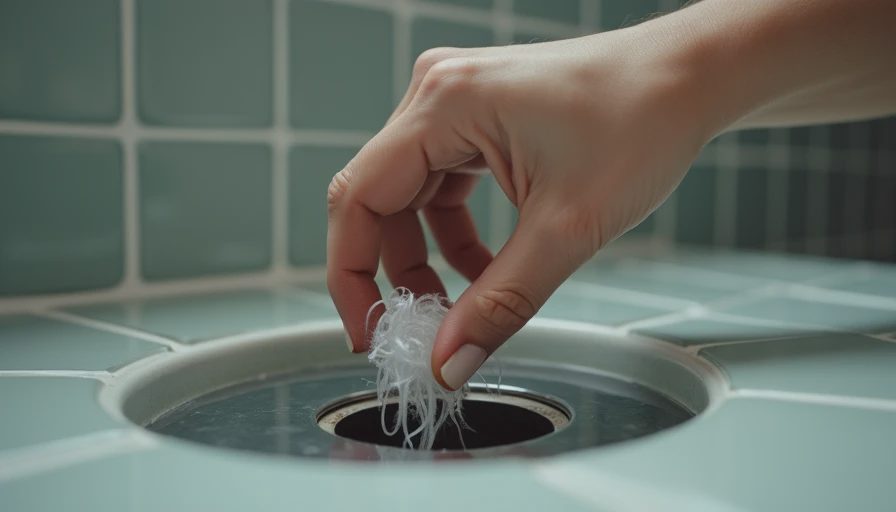
Even a good shower drain hair catcher becomes useless if soap scum is allowed to cake up. The easiest schedule is weekly rinse-outs and a deeper clean once a month. In a household with long hair, product buildup, or frequent guests, that means lifting the basket, pulling the mat, and rinsing the gunk into a trash can instead of letting it harden in the pipe. A little dish soap and hot water usually handles the sticky film. If the shower is part of a rental or a busy family bath, treat it like a filter: inspect it during every bathroom reset or towel swap. The best routine is the one that does not depend on memory. Put it on the same calendar rhythm as replacing HVAC filters or testing a smoke alarm.
When the catcher is the wrong fix
Not every slow shower needs a hair catcher. If the shower has been draining slowly from day one, the problem may be the pipe slope, a venting issue, or construction debris left behind during the remodel. If the water backs up hard and then clears in gurgles, a plumber should look at the line instead of treating it like a surface problem. A shower drain hair catcher is great for prevention, but it does not correct a bad rough-in or a drain with an internal obstruction. I have seen homeowners spend twenty dollars on inserts and still end up paying for a snake because the real issue was buried farther down the line. Use the catcher as a first line of defense, not a substitute for a proper plumbing diagnosis.
What it costs and what to buy
For a standard shower drain hair catcher, the budget range is not complicated. A silicone or rubber model from a big-box store is often under $15. A nicer stainless version or a better-fitting basket usually sits between $15 and $35. Specialty covers for odd drain shapes, linear drains, or finishes that need a cleaner look can run $40 to $120. The decision is less about luxury and more about fit, cleaning access, and whether the part looks like it belongs in a finished bath. If you are ordering other trim pieces, put this in the same cart so it arrives before install day. That way you can check fit before the contractor closes out the job. For a standard shower drain hair catcher, that timing matters more than the brand name. If it's not on the schedule, it's not happening. What drain shape are you dealing with, and did you order the insert before final trim?