Subway Tile Shower: How to Schedule and Budget Yours Like a PM
A subway tile shower is one of those renovations that looks timeless in photos and simple on Pinterest, but the logistics are anything but. If you're acting as your own project manager, the subway tile shower you want can derail your whole schedule when the tile arrives late, the waterproofing isn't cured, or the glass installer can't book within three weeks. This is the PM-level timeline and budget roadmap I wish I'd had before I ordered anything.
Order the Tile Before You Demolish Anything (or Live With Regret)
The number one scheduling mistake in a subway tile shower is ordering tile after the old shower is already ripped out. Subway tile comes in more varieties than you'd think: ceramic, porcelain, handmade zellige-style, beveled, matte, gloss. Each has its own lead time. Standard 3x6 ceramic subway tile from a big-box store is usually in stock, but a handmade version from a specialty tile shop can take six to eight weeks to ship. That wait becomes a full stop on your project if you've already started demo.
Order the tile at least a month before you plan to tile, and that's conservative. You also need 10-15% overage beyond your square footage to cover cuts, breakage, and future repairs. Measure the shower walls, add the overage, and place the order. While you're at it, order your trim pieces, bullnose, and corner pieces in the same dye lot. The last thing you want is to find out the matching trim is discontinued mid-install. Also, order a couple of samples before you commit to the full order; a matte finish can look surprisingly different at 3x6 scale.

The Waterproofing Sequence That Has to Happen Before One Tile Goes Up
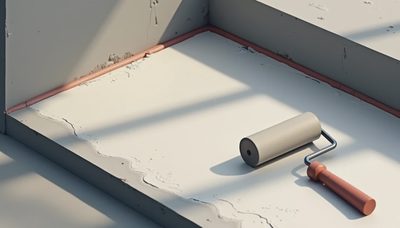
Before a single brick of subway tile goes up, the shower system needs to be waterproofed in the right order. The backer board goes in, then the seams get taped and filled, then a liquid or sheet waterproofing membrane is applied to the walls and the floor pan. That membrane needs to cure — often 24 hours for liquid, less for sheet — before you do a flood test in the pan. A flood test means plugging the drain and filling the pan to check for leaks, and it usually takes another 24 hours. If you test on a Friday and it leaks, you're redoing the membrane on Saturday. That kind of delay shows up on the schedule as a two-week gap unless you build it in.
Scheduling the Subway Tile Shower: Who Shows Up When
A tile shower is not one trade's job. You're coordinating at least five: the plumber for the rough-in, the framer if you're moving walls, the drywall/backer board installer, the tile setter, and the glass installer. Each has their own calendar. A good tile setter may be booked out three weeks, so you want them locked in before the tile order lands. The glass shower enclosure is its own lead-time monster — often four to six weeks from measurement to installation. If you wait until the tile is done to call the glass company, you're adding a month to the finish date.
Budget Numbers Worth Writing Down
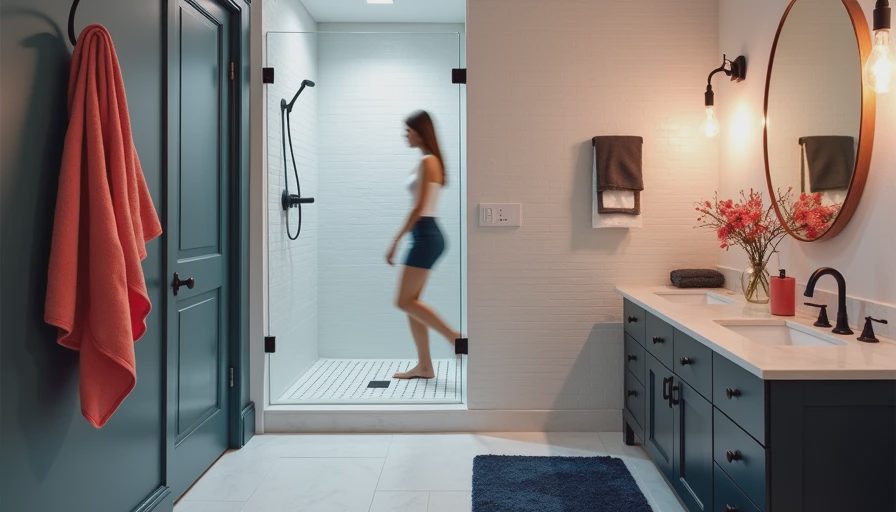
Let's talk dollars, because the subway tile shower cost creeps in the details. For materials, ceramic subway tile runs about $2 to $5 per square foot; porcelain is similar. Handmade or zellige styles jump to $10 to $20 per square foot. Installation labor for a tile shower typically runs $15 to $25 per square foot, and that includes setting and grouting. Waterproofing materials add another $300 to $800 depending on whether you use a liquid membrane or a sheet system.
The glass enclosure is where the budget really stretches: a basic framed door and panel starts around $700, while a frameless, custom tempered unit can hit $2,500 or more. Add the plumber, the backer board, the grout, and the sealant, and a modest 3x5 shower alcove can land anywhere from $4,000 to $9,000 — not including a new shower pan or a drain relocation.
Common Scheduling Mistakes That Blow the Timeline
The biggest mistakes are almost always timing, not taste. Ordering the subway tile shower floor drain too late is a classic — the drain needs setting before the pan is built, and specialty linear drains have their own lead time. Assuming grout and sealant are in stock at the big-box store is another one; a specific grout color can be out of stock, and you end up swapping colors at the last minute. And then there's the lighting and the niche. If you want a shampoo niche built into the shower wall, the tile setter needs to know before they set the backer board. Niche schematics are a coordination point that gets missed constantly.
Your Subway Tile Shower Procurement Checklist
Here's the checklist I use now, and it pulls the whole process into one place:
- Measure the shower, calculate square footage, add 12-15% overage.
- Order tile, trim, and bullnose at least four weeks before the tile setter starts.
- Order the linear or standard floor drain when you order the tile.
- Confirm the waterproofing plan with the tile setter, and schedule the flood test for early in the week.
- Book the tile setter before the backer board goes up.
- Call the glass enclosure company once the tile order is placed, not after the tile is installed.
- Confirm grout color and niche placement in writing before demo starts.
If you follow that sequence, the subway tile shower stops being a black hole and becomes just another line item on the schedule. If it's not on the schedule, it's not happening.