
A bad washer odor is rarely a mystery. It is usually a timing problem, a moisture problem, or a drainage problem that has been sitting in the machine long enough to create biofilm. If washing machine smells bad, treat it like a punch-list item: identify the source, fix the source, and only then decide whether you need cleaner, a hose, or a service call. The fastest wins are usually simple. A front-load gasket can hold water. A detergent drawer can trap sludge. A drain hose can back up. A pump filter can collect coins, hair ties, and lint. The goal is to stop guessing and work through the system in order.
Start with the odor pattern
Not every smell means the same thing. A sour or mildew smell usually points to standing moisture, soap residue, or a dirty door seal. A rotten egg smell is different; that often suggests sewer gas coming through the drain path or a dry trap somewhere in the laundry line. A burnt-rubber smell can mean a slipping belt, failing motor, or a drum issue, and that is a stop-using-it situation until someone checks it. If your washer smells bad after a normal cycle, do not buy random cleaners first. Open the lid or door, sniff near the gasket, the detergent tray, and the drain opening, then note where the odor is strongest. That one detail can cut your troubleshooting time in half.
Clean the machine the right way
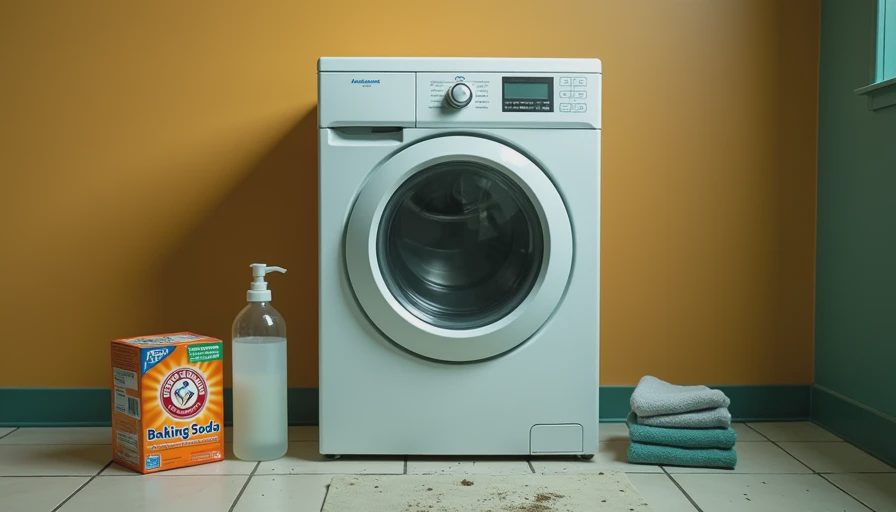
The cheap first pass is a deep clean, but do it in the right order. Start with an empty drum, power off, and inspect the gasket, dispenser, and inside rim. Wipe visible slime with a microfiber cloth and warm water. If the manual allows bleach, use a diluted bleach wipe on the seal only; never mix bleach with vinegar or any other cleaner. Then run the hottest self-clean or tub-clean cycle with an approved washer cleaner tablet or a citric-acid cleaner. Affresh, Tide, and similar products are usually in the $8 to $15 range, which is a lot cheaper than a callout fee. After the cycle, leave the door or lid open so the interior dries. On a front-loader, that small habit matters more than most people think. If the smell returns in a day or two, you are probably dealing with residue deeper in the system, not just the drum surface.
Check the drain, hose, and standpipe
This is where a lot of service calls get wasted. Pull the washer forward, put a towel and shallow pan behind it, and inspect the drain hose for kinks, sags, or a loose fit. If the hose sits too far down the standpipe or the pipe itself is slow to drain, wastewater can linger and send odor back into the tub. That is how a laundry room starts smelling like a sewer even when the drum is clean. If your machine has a pump filter, open it carefully and clean out lint, buttons, pet hair, and the occasional sock. Many front-loaders hide the filter low on the front panel, so check your model manual before forcing anything. Also look at the floor drain if you have one. A dried-out trap or a slow line can make the whole room smell off. If washing machine smells bad only when the drain cycle runs, the problem is probably here rather than in the detergent.
When the smell points to a repair
Sometimes the answer is not a cleaner at all. If the odor is burnt, electrical, or like hot rubber, stop the machine and unplug it. If you see water under the washer, hear grinding, or feel heavy vibration with the odor, a failed pump seal, belt, or bearing may be involved. A local appliance technician often charges around $100 to $200 for a diagnostic visit, and common part-and-labor repairs can land between $150 and $400 depending on the model. That is why it helps to compare the repair estimate with the age of the washer. If the machine is already eight to twelve years old and the fix approaches half the price of a new one, replacement starts to make more sense. This is the point where cleaning it again becomes a waste of schedule time. If washing machine smells bad and the smell is electrical, treat it as a repair issue, not a maintenance issue.
Keep the next wash from going stale
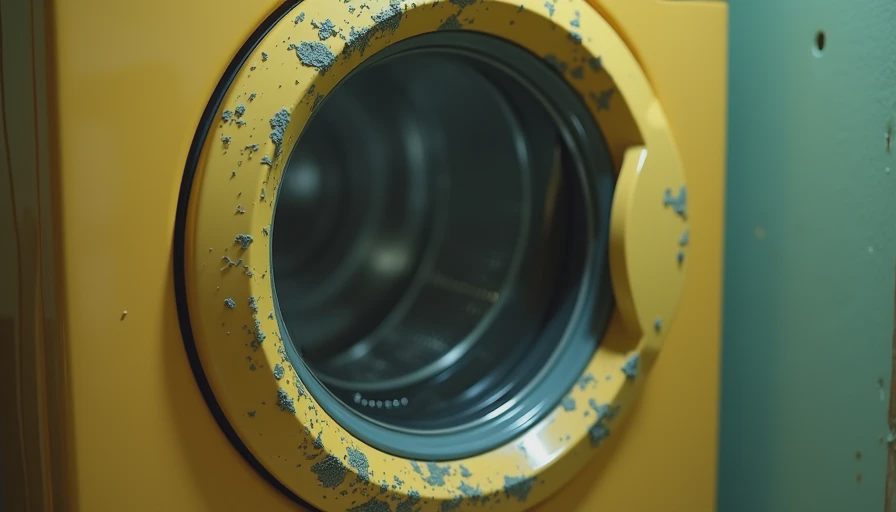
The reason washing machine smells bad again after a week is almost always moisture left behind. Build a simple maintenance routine instead of waiting for the smell to return. After each load, pull wet clothes out right away and leave the door cracked open. Once a month, run a hot cleaning cycle and wipe the gasket, detergent drawer, and lint-prone edges. If you wash pet bedding, towels, or muddy gear, clean the drum sooner. Use only the detergent amount your water and load size need; extra suds leave residue that feeds odor. One homeowner I heard from swore the machine was cursed, then found the pump filter packed with a toddler sock and a wad of pet hair. Twenty minutes later the odor was gone. That is the pattern most of the time: a small blockage, a wet seal, or an overused detergent drawer. Put the monthly washer-cleaning block on the calendar. If it's not on the schedule, it's not happening. What smell are you dealing with right now: mildew, sewer gas, or burnt rubber?