
Nails vs screws is not a workshop argument to settle after the lumber arrives. It is a procurement and scheduling decision that affects tools, inspection results, labor time, and whether a repair becomes necessary six months later. The right choice depends on the joint, the material, the expected movement, and the fastening schedule already assigned to your framing, decking, drywall, or trim crew.
For a homeowner managing a renovation, the practical question is not which fastener is universally stronger. It is which fastener is approved for the specific connection and available in the quantity and length required. A box of 3-inch construction screws does not replace framing nails when a connector manufacturer specifies nails. Likewise, a framing nailer is the wrong answer for cabinet trim that needs controlled placement.
What nails are good at
Nails are fast, economical, and well suited to connections where materials move slightly under load. A pneumatic framing nailer can install several nails in the time it takes to drive one screw. That speed matters when a framing crew is trying to close exterior walls before rain, or when you are paying a carpenter by the hour. Common framing nails often cost less per fastener than structural screws, especially when purchased in bulk.
Nails also bend before they snap in many ordinary framing applications. That flexibility helps a nailed wall assembly tolerate seasonal movement and vibration. For roof sheathing, wall framing, and some subfloor work, the building plans and local inspection requirements commonly identify nail size, spacing, and type. Those instructions control the decision.
The failure mode is usually poor selection or poor placement. A smooth-shank nail has different holding power from a ring-shank nail. Galvanized or stainless fasteners are more appropriate for exposed moisture than bright indoor steel. A nail driven too close to the edge can split a board, while an under-driven head can interfere with drywall or siding. Record the exact nail type on the materials list instead of writing only “nails.”

Where screws earn their place
In nails vs screws, screws generally win when you need strong withdrawal resistance or expect to remove the assembly later. A screw’s threads grip the surrounding material, making it useful for fastening deck boards, mounting blocking, attaching hardware, and securing removable access panels. If a board is cupped or a cabinet face needs careful alignment, a screw lets you pull parts together gradually and stop at the correct depth.
Screws are also easier for many homeowners to control because installation does not require a compressor, hose, or loud framing nailer. A drill-driver, impact driver, bit set, and pilot drill may be enough for smaller work. The tradeoff is time. Driving hundreds of screws by hand can add hours, and an impact driver can strip heads or overdrive fasteners when the operator is rushing.
Do not substitute general-purpose wood screws for structural fasteners. Structural screws from manufacturers such as Simpson Strong-Tie, GRK, or FastenMaster carry specific load information and installation instructions. A drywall screw, deck screw, and structural screw are not interchangeable simply because they all have a Phillips, Torx, or star-shaped head.
Nails vs screws by renovation task
For wall framing, nails are often the efficient default when the plans, connector instructions, and inspector allow them. Use the specified length and diameter, and confirm whether a connection requires a particular nail pattern. For structural repairs, ledger attachments, or engineered connectors, use the fastener listed by the manufacturer. This is where nails vs screws must be resolved from documentation rather than preference.
For decking, coated deck screws are usually easier to remove and replace than nails. Choose a product rated for the decking species and the exposure conditions. In a wet climate such as Portland, corrosion resistance and drainage deserve more attention than they would in a dry Phoenix installation. Hidden fastener systems add another procurement item, so order them with the decking rather than after the boards arrive.
For subfloors, screws can reduce squeaks because they pull panels tightly against joists, but the adhesive and fastening pattern still matter. For drywall, drywall screws are standard because their heads can be set just below the paper without tearing it. For finish trim, brad nails and finish nails leave smaller holes, while screws are useful where a heavy mantel, stair component, or removable panel needs more direct holding power.
A scheduling and purchasing plan
The best nails vs screws decision is made before the trade arrives. Start with the scope and divide the fasteners into structural, exterior, interior, and finish categories. Then check the plans, product installation sheets, and any permit or inspection checklist. Write down diameter, length, coating, head style, quantity, and the tool required for each category.
Order a 10 to 15 percent overage for ordinary framing and trim. Extra material covers cutoffs, misfires, damaged boards, and the box that disappears into another tool bag. For specialty structural screws or stainless deck fasteners, calculate more carefully because a second trip can cost an hour of labor plus fuel. Keep the boxes and installation instructions in a labeled tote until final inspection.
Stage fasteners by room or phase. Put framing nails with the framing package, drywall screws beside the drywall lift, and exterior screws under cover near the deck materials. Do not leave coated or stainless fasteners in an open box where rain, sawdust, and mixed hardware can create confusion. A five-minute labeling job prevents a late substitution that can hold up a crew.
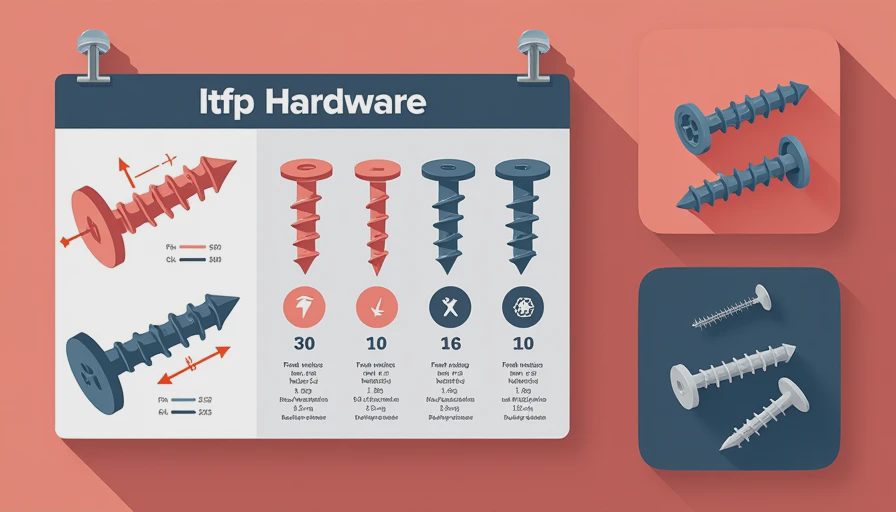
Cost, tools, and the hidden labor difference
The box price is only one part of nails vs screws. Nails may reduce installation time when a nailer is already on site, but renting a compressor and framing nailer can add roughly $50 to $100 for a short rental, depending on the market and equipment package. Screws may cost more per piece, yet a homeowner who already owns an impact driver avoids that rental and gains easier removal during corrections.
Compare the complete task. If 1,000 framing nails save several labor hours, nails are usually the better schedule choice. If 120 deck screws prevent boards from lifting and allow one damaged board to be replaced without demolition, screws may produce the lower project cost even at a higher unit price. Include bits, batteries, extension cords, pilot holes, cleanup, and rework in the estimate.
A good process also protects the next trade. Overdriven screws can weaken a connection, protruding nails can damage roofing underlayment, and the wrong exterior coating can stain siding or fail in wet conditions. Take a sample assembly photo before covering work. It gives you a record of spacing and fastener type when questions arise during inspection.
The field decision before installation
Use this short sequence when the delivery is scheduled. First, identify whether the connection is structural, weather-exposed, interior, or finish work. Second, read the plans and manufacturer instructions. Third, match the fastener to the material and environment. Fourth, confirm the tool and bit or nailer setting. Fifth, count the quantity and stage a labeled backup box.
If the instructions allow either option, choose nails for speed and flexible framing connections, and choose screws for removal, adjustment, or high withdrawal resistance. If the instructions name one option, follow that requirement even when another fastener feels stronger. A stronger-looking product can still be wrong if its diameter, head, corrosion rating, or tested load does not match the connection.
The useful answer to nails vs screws is therefore tied to the work package, not a universal rule. Put the decision, product number, quantity, and installation date on the renovation schedule. If it's not on the schedule, it's not happening. Which fastening choice has caused the biggest delay or rework on your project?